Proud partner
Proud partner
Article

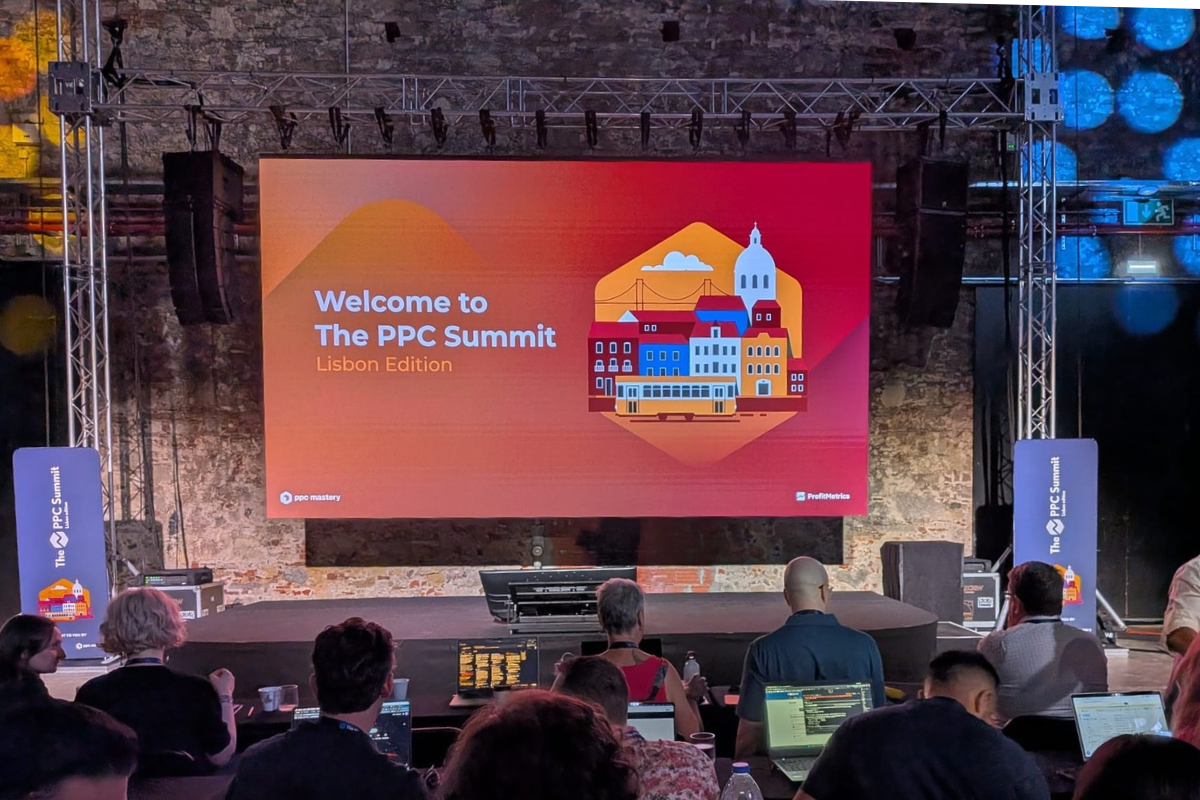
Frans and Wilco spent two days in Lisbon for the PPC Summit 2026. Two days packed with sessions, new developments and, above all, plenty of AI. But what does this ultimately mean for you as an advertiser? Which developments will actually make a difference to your campaigns, and which are mainly of interest on stage? We’ve summarised the three key insights. For each point, we’ve included our take on it and, most importantly, what you can do with it today.
Everyone is convinced that, as an ad marketer, you can no longer do without AI. It helps us to do our work faster and more efficiently than before, and that trend is only set to increase. But it’s also possible to go too far with it.
Take content, for example. If anyone can use AI to create adverts in bulk, you’re certainly being efficient. But is that what the end user actually wants? There is now a clear aversion to what we call ‘AI slop’: content where you can immediately tell that AI has created it. At the summit, Danique Bras made a strong case for human-created content, and we recognise this. There is a renewed demand for ‘real’ content. People want to communicate with other people and want to be moved (emotionally).
So yes, use AI to speed up processes and automate work. But the creative side remains a human endeavour. Human creativity is still rewarded.
At Traffic Today , we train our ad marketers with one key message: there is a world beyond the Google Ads interface. Of course, that’s where you manage the campaigns and where you can make a difference. But it’s just one part of a bigger picture.
You can see the industry, driven by AI, moving increasingly in that direction. As the day-to-day work becomes increasingly automated, the question shifts: how do you, as an online marketer, make an impact on your client’s business? Not by looking at that one campaign, but at how everything works together. Bob Meijer presented some compelling examples of this. In his workshop on day two, we set to work on an audit that uncovers the real bottlenecks (constraints) within an account.
It’s always refreshing when someone at an event like this shows that AI isn’t all fun and games. Miles McNair spoke about “the dark side of working AI-first”: what happens when you sometimes push things just a bit too far. From tools that make up data (hallucinate) to people who are so busy coding for the sake of it that they lose sight of the actual goal. Then you’ve built all this trendy stuff that wasn’t needed at all.
We see three pitfalls for anyone working with AI.
1. Over-reliance on AI
AI can take a lot of the work off your hands, such as monitoring and making adjustments. But does that mean you no longer need to be critical or check things yourself? Think of it like a (junior) colleague taking on a task: even then, you’ll still check in from time to time to see how things are going. Don’t let anything run on autopilot. You’re still the one responsible.
2. Losing professional expertise
At the moment, we’re still well placed to assess AI output. We can immediately spot what’s wrong or what we’d do differently ourselves. We can do this because we’ve been deeply involved in the subject matter ourselves for years. But if you rely too heavily on AI, you’ll gradually lose that professional expertise. Then, before long, you’ll no longer be able to act as a critical sparring partner for the output. Keep developing your skills and keep your knowledge up to date, so that you can continue to recognise poor output.
3. Lowering your standards
This follows on from the previous point. If you’re not careful, you’ll increasingly settle for lower-quality output. What makes it particularly tricky is that AI presents everything with absolute confidence. No doubt about it – that’s how it should be! Don’t let yourself be carried away by it. You’re the one who upholds the standard, and it must remain high.
If you read between the lines, the same theme keeps recurring. An AI-first approach is inevitable, but people remain responsible for quality, creativity and collaboration. People want to work with people. And the essence of our profession remains unchanged: clients want help in achieving their business goals. Advertising is part of that.
We’re happy to help you identify where AI can accelerate progress, where human expertise remains essential, and how to ensure your adverts truly contribute to your business objectives. Please get in touch with us.


Our team is
ready to help you