Proud partner

Proud partner
Article


This is a guest blog written by Jeroen van der Zwet.
We are using them more and more in our day-to-day communication: emojis and emoticons. It is therefore not surprising that emoticons are being used more and more frequently in today’s marketing communications. Particularly in communications via social media, where companies seek to engage with their target audience, businesses use emoticons to give their message extra impact. To provide some inspiration, we’ve put together a list of a few creative examples.
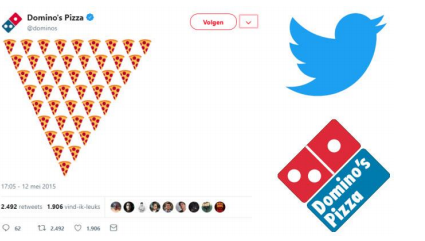
Pizza chain Domino’s is also making clever use of emoticons. Ordering a pizza is already very easy, but Domino’s goes one step further. All you need to do is send a to Domino’s via your Twitter account and your order is placed. Incidentally, this is only possible if you have linked your Twitter account to your Domino’s profile. You can imagine that companies create a better image with this sort of campaign and, what’s more, sell a lot more products or services.
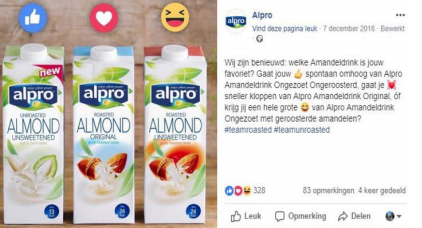
Alpro’s marketing department has cleverly capitalised on the possibilities offered by the new ‘like’ button. The company carried out market research amongst its followers in a creative way by asking: which Almond Drink is your favourite? The question could be answered using an emoji, which is integrated into Facebook’s ‘Like’ button. This form of interaction is both creative and effective, as it allows you to find out what your customers and potential customers think and want.
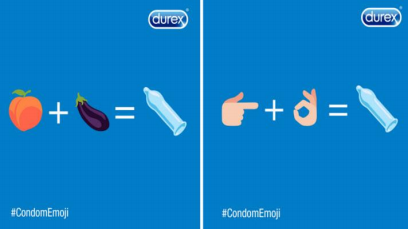
Condom manufacturer Durex has also incorporated emoticons into its marketing campaign promoting sexual education. Durex wants people to have sex safely and communicates this message through emoticons. The condom is not yet part of the standard set of emoticons, but Durex is pushing for it to be included in future. The social importance of safe sex plays a major role in this.
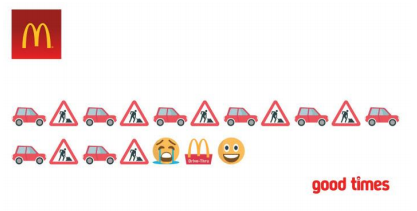
The ‘Good Times at McDonald’s’ marketing campaign focused entirely on emoticons. The campaign comprised five different communications. All five reflect situations that are frustrating and/or recognisable to everyone. These situations are ‘resolved’ by McDonald’s. From spending hours shopping with your wife to being stuck in a traffic jam due to roadworks, at McDonald’s you can round off these experiences on a positive note. We’re lovin’ it! We’re talking about the marketing campaign, of course!
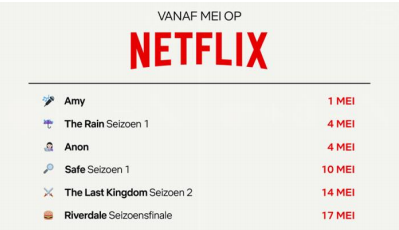
Netflix – who doesn’t use it?! At Netflix, they’re not only strong at producing binge-worthy series, but also at setting up creative marketing campaigns across social -media marketing. In their online communications, they regularly use emojis to emphasise a message. A good example is how they communicate the genre of new series; for instance, the detective emoji is used to announce a new detective series.
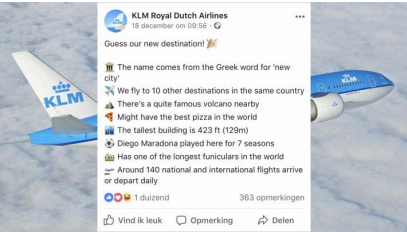
Online, KLM is legendary for its webcare team, which responds to customers in an amusing yet professional manner, and it is not uncommon for them to use appropriate emoticons in the process. The team responsible for online content is also very adept at using emoticons. They use them to encourage interaction and to reinforce the message. With over 1,000 likes and more than 350 comments, the post had a wide reach. It seems to us that they’ve hit the mark.
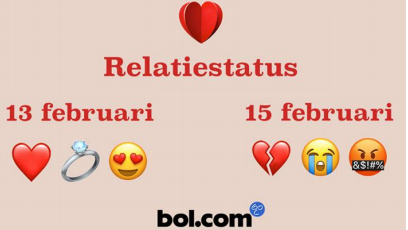
Bol.com’s social media accounts are renowned for their quick and catchy responses to current events. They never let a news story or event go to waste when it comes to putting a smile on their followers’ faces. In the run-up to Valentine’s Day ❤, Bol.com posted the image above on Facebook. It generated a lot of engagement and a huge reach. You can bet it encouraged people to buy a gift (at the last minute), as Bol.com can even deliver on the day the order is placed.
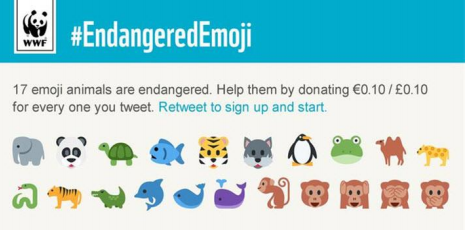
The WWF launched a Twitter campaign featuring 17 emojis of endangered species, including the panda and the tiger . Donations could be made by following the hashtag #EndangeredEmoji, retweeting the post or replying to the post with one of the 17 emojis. The latter option made it possible to support a specific animal species. The donation cost was just €0.10 per transaction. The Twitter campaign received around 559,000 mentions and more than 59,000 donations in the first three months since its launch. Do the maths!
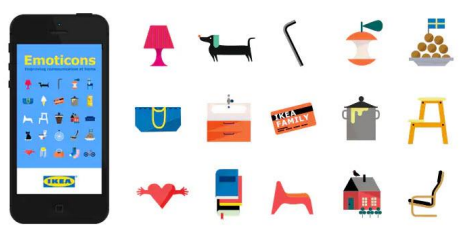
IKEA claims that men and women could get on better with each other if they used more emojis in their communication. For this reason, IKEA is introducing its own emoticons: the means of communication for more love and understanding in your home. The emoticons are also used in the app to categorise product groups. It is only a matter of time before the emoticons also appear in online communications or even in physical shops.
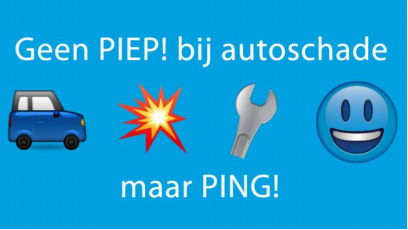
WhatsApp – we all use it to send a quick message, with or without emoticons. Getting something across quickly is often not possible when you ring an insurance company’s call centre. Ditzo cleverly capitalised on this frustration and set up a WhatsApp account. No platform lends itself better to the use of emojis, and they therefore play a central role in their campaign to promote their new service: ‘no waiting on hold, just a WhatsApp’.




Our team is
ready to help you

