Proud partner

Proud partner
Article


Easter marketing changes every year: whilst the focus has traditionally been on promotions for seasonal products such as chocolate, in 2026 it will shift towards meaningful brand experiences and consumer relationships. This is evident from insights in the SAMY Marketing Trends Report 2026.
According to the report, the role of marketing is shifting from being purely sales-oriented to creating cultural and social relevance. This is evident in marketing during Easter and other public holidays, where brands are increasingly capitalising on moments of togetherness, traditions and personal experiences rather than just product promotions.
A key development is the use of artificial intelligence and data to better tailor campaigns to consumer behaviour. During the Easter period, for example, retailers and brands use AI for personalised offers, content and timing. According to the performance marketing agency Traffic Today , this presents a significant opportunity to better translate consumer behaviour into tangible conversions.
In addition, the importance of ‘ social ’ media and community-driven campaigns is growing. Easter is increasingly being used as a social occasion where brands engage consumers through recipes, inspirational content and influencer collaborations. Micro-influencers, in particular, play a key role here, as they are closer to specific target audiences and foster authentic interaction.
The report emphasises that relevance is the new benchmark for success. This resonates with Dutch consumers, who have become more critical and price-conscious. As a result, brands need not only to be visible around Easter, but also to align with the needs and values of their target audience.
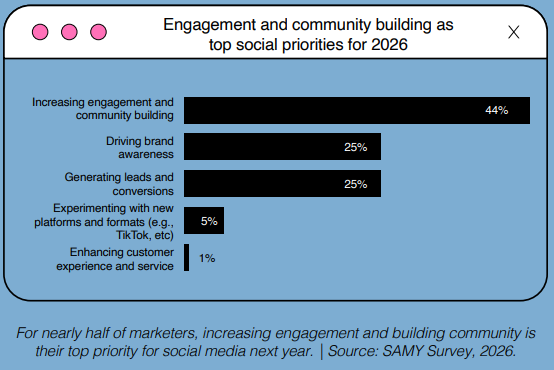
A shift is also evident in terms of budgets. Marketing teams are focusing on efficient, high-impact campaigns, centred on digital channels and earned media. During the Easter period, this translates into targeted online campaigns, ‘ social ’ activations and content strategies, rather than broad mass communication.
The shift towards community-driven marketing is clearly evident on social media, where brands are increasingly moving away from one-way communication and instead focusing on interaction and brand recognition. Dutch companies such as HEMA, bol and Upfront demonstrate how this approach works in practice.
They use platforms such as TikTok and Instagram not only for visibility, but as a space where brand and consumer intersect. Content focuses on relatable situations, humour and relevance, rather than direct promotion. By capitalising on everyday moments and online conversations, a sense of engagement is created.
What this approach demonstrates is that the community plays a key role. Feedback from followers is often incorporated into new content, and brands collaborate with creators to share relatable and authentic stories. Social media is therefore not just a platform for promotion, but also for engaging with your target audience. Success is no longer just about reach, but about how well a brand connects with people’s everyday lives. Around occasions such as Easter, this means that content centres on being together, traditions and personal experiences.




Our team is
ready to help you

